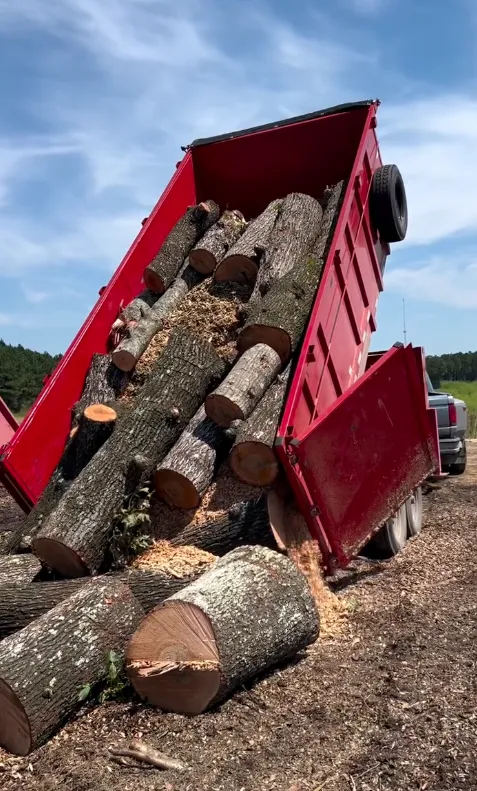
Tropical storms and hurricanes can leave Charleston properties covered with fallen branches, damaged outdoor furniture, broken fencing, construction materials, and other debris.
Even when a storm does not cause major structural damage, cleaning up afterward can be a big job. Homeowners may be left with piles of yard debris, damaged household items, water-damaged furniture, or materials that are too large or heavy to remove on their own.
Knowing how to handle storm debris safely can help you clean up faster and avoid unnecessary risks.
Here is what Charleston-area homeowners should know about storm debris removal after a tropical storm or hurricane.
What Counts as Storm Debris?
Storm debris can include much more than fallen tree limbs.
Common items left behind after severe weather include:
- Tree branches and limbs
- Yard waste
- Damaged patio furniture
- Broken fencing
- Shed debris
- Damaged outdoor equipment
- Water-damaged furniture
- Mattresses
- Carpeting
- Drywall
- Cabinets
- Roofing materials
- Broken household items
- Construction debris
- Appliances
- General junk displaced or damaged by the storm
Depending on the severity of the storm, debris can be spread across the yard, driveway, garage, porch, or inside the home.
Put Safety First After a Storm
Before beginning cleanup, make sure the property is safe to access.
Storms can create hazards that are not always immediately visible.
Be cautious around:
- Downed power lines
- Floodwater
- Unstable trees or branches
- Broken glass
- Exposed nails
- Damaged roofing
- Partially collapsed structures
- Standing water near electrical equipment
If there is significant structural damage, flooding, or electrical damage, contact the appropriate professionals before beginning debris removal.
Do not attempt to move extremely heavy or unstable materials yourself.
Separate Different Types of Debris
One of the easiest ways to make storm cleanup more manageable is to separate debris by type.
You may want to create separate piles for:
Yard Debris
Branches, leaves, limbs, and other vegetation.
Household Junk
Furniture, mattresses, rugs, boxes, and miscellaneous damaged belongings.
Construction Debris
Drywall, lumber, fencing, roofing materials, cabinets, and other building materials.
Appliances
Refrigerators, washers, dryers, dishwashers, and other large appliances.
Separating materials can make it easier to determine what can be collected, recycled, donated, or hauled away.
What Should You Do With Fallen Branches and Yard Debris?
High winds can leave yards covered with branches, leaves, and other vegetation.
Smaller amounts of yard debris may be manageable with regular local collection services, depending on where you live and the type of material.
Larger cleanup projects can become difficult quickly, especially when dealing with:
- Large tree limbs
- Multiple piles of debris
- Debris blocking a driveway
- Damaged landscaping
- Heavy branches
- Yard waste mixed with other storm debris
If the cleanup is too large to handle yourself, a junk removal or debris hauling company can help remove the material from the property.
What About Damaged Furniture?
Water and wind damage can make furniture impossible to save.
After a major storm, homeowners may need to dispose of:
- Couches
- Chairs
- Mattresses
- Box springs
- Dressers
- Tables
- Bookshelves
- Outdoor furniture
- Rugs
- Cabinets
Furniture can become especially difficult to handle if it has absorbed water, making it heavier than normal.
Professional furniture removal can help avoid the need to carry bulky or waterlogged items through the home and load them yourself.
Removing Water-Damaged Items
Flooding, roof leaks, and wind-driven rain can damage belongings even when a property does not experience severe flooding.
Items such as carpet, furniture, drywall, insulation, mattresses, and upholstered items can retain moisture.
If an item is damaged beyond repair, removing it quickly can make the cleanup process easier and create space for restoration work.
However, junk removal should not replace professional water mitigation or mold remediation when those services are needed.
If your home has significant water damage, address the source of the water and work with qualified restoration professionals before beginning a major cleanout.
Construction Debris After a Hurricane
Storm damage often leads to repair work, which can create another round of debris.
Common post-storm construction debris includes:
- Drywall
- Lumber
- Cabinets
- Flooring
- Roofing materials
- Siding
- Fencing
- Doors
- Trim
- Damaged fixtures
Construction debris can be heavy and may not be handled the same way as normal household trash.
For larger repair projects, debris removal can help keep the property clear while contractors complete their work.
Fence and Shed Debris Removal
Strong winds can damage fences, sheds, play structures, and other outdoor structures.
After damaged materials are safely taken apart, you may be left with piles of:
- Fence panels
- Fence posts
- Lumber
- Metal
- Roofing
- Shelving
- Broken outdoor equipment
These materials can take up a surprising amount of space.
Professional debris removal can be useful when you need the area cleared quickly before repairs or reconstruction begin.
Can You Put Storm Debris at the Curb?
Local cleanup procedures can vary depending on the municipality and the severity of the storm.
After a major hurricane or tropical storm, local governments may provide special instructions for debris collection.
Residents should check current guidance from their city, town, or county before placing large amounts of storm debris at the curb.
Collection schedules, accepted materials, and debris separation requirements can change after major storms.
If you cannot wait for municipal collection, need materials removed from somewhere other than the curb, or have debris that is not accepted, hiring a debris removal company may be a faster option.
When Does Professional Storm Debris Removal Make Sense?
Professional removal can be helpful when:
- You have a large amount of debris
- Debris is too heavy to move yourself
- You need the property cleared quickly
- Furniture or household items are damaged
- Debris is inside your home or garage
- You are preparing for contractors or restoration work
- You have multiple types of debris
- You do not have a truck or trailer
- You want to avoid repeated disposal trips
Instead of loading and hauling everything yourself, a junk removal crew can remove many types of debris directly from the property.
Storm Cleanup for Rental Properties
Storm debris can also create problems for landlords and property managers.
After severe weather, rental properties may need fast cleanup before repairs can begin or tenants can safely return.
Common storm cleanup needs at rental properties include:
- Furniture removal
- Yard debris removal
- Fence debris
- Damaged appliances
- Water-damaged items
- Garage cleanouts
- Construction debris
Having debris removed quickly can help keep repair projects moving and reduce downtime between tenants.
Storm Cleanup for Charleston Businesses
Commercial properties can also accumulate significant debris after tropical weather.
Restaurants, retail spaces, offices, warehouses, apartment communities, and other commercial properties may need to remove damaged furniture, outdoor equipment, signage, construction materials, or miscellaneous debris.
Fast cleanup can help businesses begin repairs and reopen sooner.
Do Not Wait Until Hurricane Season to Have a Plan
Charleston homeowners can make storm cleanup easier by preparing before severe weather arrives.
A simple plan can include:
- Knowing how your municipality handles debris
- Trimming unsafe branches before hurricane season
- Securing outdoor furniture
- Clearing unnecessary junk from garages and yards
- Keeping important contractor information available
- Taking photos of your property before storms
- Knowing who to call for debris removal
Removing unnecessary outdoor clutter before a storm can also reduce the amount of material that can become damaged or displaced by high winds.
Storm Debris Removal in Charleston, SC
Storm cleanup can be overwhelming, especially when you are already dealing with property damage, repairs, and insurance claims.
Load N Go Junk Removal helps homeowners, landlords, property managers, and businesses remove storm debris and unwanted items throughout the Charleston area.
We can help with:
- Household junk removal
- Furniture removal
- Yard debris removal
- Appliance removal
- Construction debris removal
- Fence and shed debris
- Garage and property cleanouts
Whether you are cleaning up after a tropical storm, hurricane, or severe thunderstorm, Load N Go can help clear the debris so you can focus on getting your property back to normal.
Contact Load N Go Junk Removal to schedule storm debris removal in Charleston, SC.
Frequently Asked Questions
Does Load N Go remove storm debris in Charleston?
Yes. Load N Go can help remove many types of storm-related debris, including household junk, damaged furniture, yard debris, appliances, and certain construction materials.
Can you remove debris directly from my property?
Yes. Full-service junk removal means you typically do not have to move everything to the curb first. Items can be removed from yards, garages, homes, and other accessible areas.
Can you remove water-damaged furniture?
Yes. Water-damaged couches, mattresses, tables, chairs, and other furniture are common items removed during storm cleanups.
Can you remove construction debris after storm repairs?
Yes. Many types of construction and renovation debris can be hauled away after repairs, including lumber, drywall, flooring, cabinets, fencing, and similar materials.
Should I wait for city storm debris pickup?
That depends on the amount and type of debris, your location, and the current municipal collection schedule. City collection may be appropriate if you can wait and your debris meets local requirements. Professional removal may be more convenient when you need debris gone quickly or need items removed directly from your property.
Blog by Daniel and Jarrod Szukics | Owners of Load N Go Junk Removal